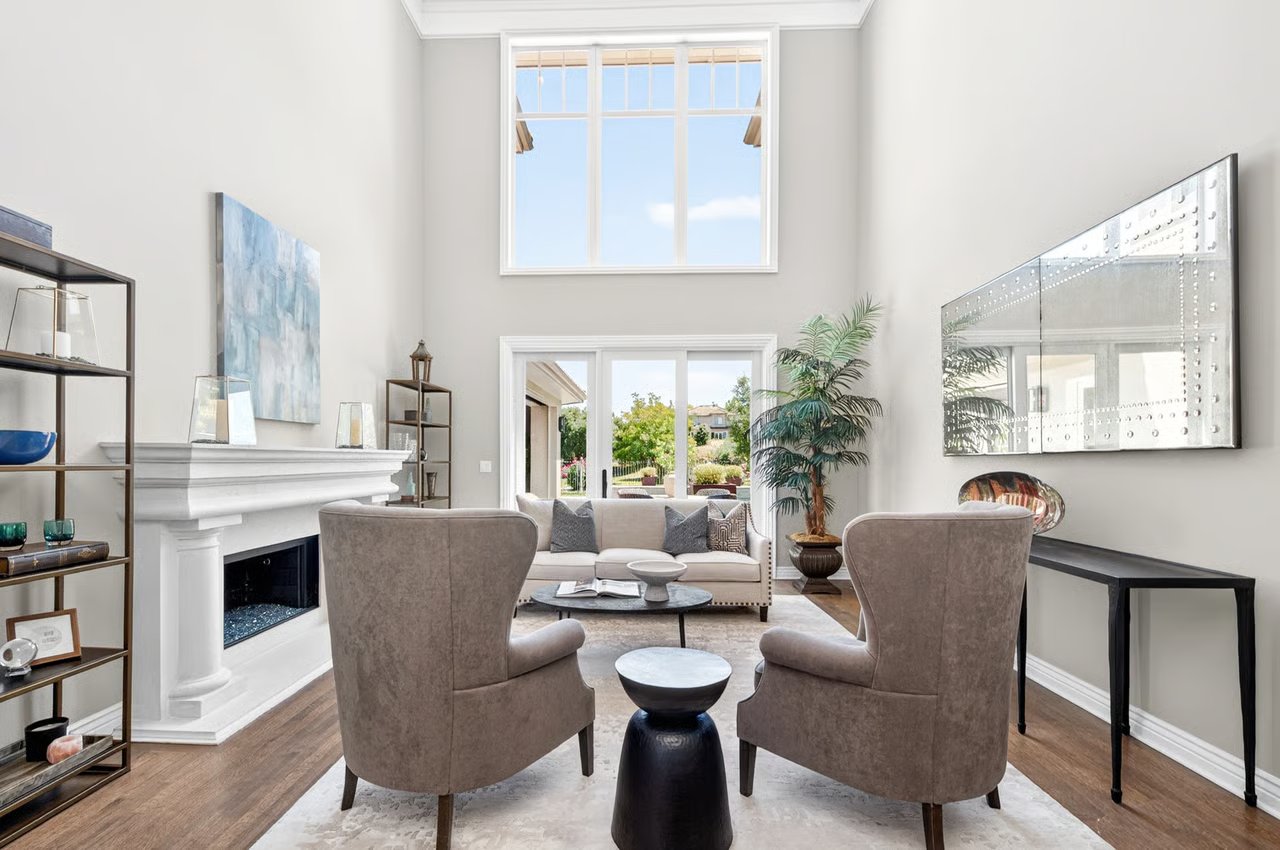
What Buyers Notice Without Realizing
Real Estate Gina Piper May 30, 2026
Real Estate Gina Piper May 30, 2026
Most home sellers believe buyers make decisions based mainly on price, square footage, or upgrades. But in reality, many buying decisions happen emotionally long before buyers start analyzing the logical details.
Within seconds of walking into a home, the brain begins forming impressions about comfort, safety, identity, and even future happiness.
That emotional response can strongly influence whether a buyer feels connected to a property or wants to leave quickly.
Understanding these hidden psychological triggers can help sellers create a stronger first impression, increase buyer interest, and potentially sell faster.
Here are some of the surprising things that can influence whether a buyer emotionally connects with a home.
One of the biggest surprises in real estate psychology is this:
People usually feel first and justify second.
Emotional systems in the brain activate before rational decision-making systems do.
That’s why buyers often know very quickly whether they like a home.
Only afterward do they start explaining the feeling with logical reasons, like:
“The layout flows well.”
“The kitchen has potential.”
“The home feels peaceful.”
The emotional reaction comes first.
A home that feels warm, calming, open, or welcoming creates a stronger emotional response than one that simply checks boxes on paper.
That’s why presentation matters just as much as features.
When touring a home, buyers unconsciously begin imagining their future there.
They start thinking things like:
“Where would my couch go?”
“I could see myself drinking coffee here.”
“My kids would love this backyard.”
Psychologists call this episodic future thinking, the brain imagining future experiences.
Homes that make it easy for buyers to picture their life inside often feel more emotionally appealing.
Too many personal items can interrupt that mental process.
When sellers simplify and depersonalize spaces, buyers can more easily imagine the home becoming their own.
Lighting affects mood far more than many people realize.
Studies show natural light can improve feelings of comfort, calmness, and overall well-being. Bright spaces also tend to feel larger and more inviting.
On the other hand, dark or closed-off rooms can subconsciously create tension or discomfort.
Buyers are often highly influenced by:
Large windows
Open curtains
Bright kitchens
High ceilings
Open sight lines
Even if they don’t consciously realize it.
Before showings:
Open all blinds and curtains
Turn on warm lighting
Clean windows thoroughly
Remove heavy window coverings if possible
Simple lighting improvements can dramatically affect first impressions.
Smell is directly connected to emotional memory in the brain.
A scent can instantly create:
Comfort
Nostalgia
Trust
Or immediate rejection
This is why buyers often react strongly to odors inside a home, even when everything else looks beautiful.
Pet odors
Strong cooking smells
Smoke
Heavy artificial fragrances
Clean, subtle scents tend to work best.
Fresh air, soft neutral candles, fresh linens, or a lightly clean smell can make a home feel more welcoming and emotionally comfortable.
The way a home feels physically can influence a buyer emotionally without them realizing it.
Spaces that feel cramped, blocked, or difficult to move through can create subconscious stress.
Meanwhile, homes with smooth flow and open movement often feel calmer and more comfortable.
Clear walking paths
Open kitchens
Spacious entryways
Organized furniture placement
Minimal visual clutter
A home that “flows well” tends to feel more relaxing and inviting.
People rarely buy homes based only on functionality.
They’re also buying an idea of who they want to be.
Subconsciously, buyers often ask themselves:
“Does this home fit the life I want?”
“Can I imagine my future here?”
“Does this represent stability, peace, or success?”
That’s why emotional marketing and staging can be so powerful.
A home isn’t just selling bedrooms and bathrooms.
It’s selling:
Comfort
Freedom
Family
Peace
A fresh start
A dream lifestyle
The brain forms impressions incredibly quickly.
In many cases, buyers start deciding how they feel about a property before they even fully enter the home.
The exterior, entryway, scent, lighting, temperature, and overall atmosphere all contribute to that immediate emotional response.
Focus heavily on the first five minutes of the showing experience.
That includes:
Curb appeal
Entryway presentation
Smell
Lighting
Cleanliness
Temperature
Noise levels
The goal is to create an environment where buyers instantly feel comfortable.
Buying a home is far more emotional than many people realize.
While price, location, and features absolutely matter, emotional connection often plays a major role in whether buyers become excited about a property.
The homes that feel welcoming, calming, bright, and easy to imagine living in are often the ones that create the strongest buyer reactions.
For sellers, understanding buyer psychology can make a significant difference in how a home is presented, marketed, and experienced.
At Elation Real Estate, Gina Piper and her experienced team help sellers strategically prepare homes to maximize market appeal throughout Pleasanton, Livermore, Alamo, Walnut Creek, San Ramon, Dublin, Danville, Oakland, Berkeley, and Alameda. If you are considering selling a home, contact us today.
Stay up to date on the latest real estate trends.
Real Estate
Comparing Your Options Before Buying a Home

Events
Celebrating Independence Day in the Tri-Valley

What's Happening in the Tri-Valley Market

Real Estate
A First-Time Investor's Guide

Events
Food You Need to Try

Events
Tri-Valley Summer Event
Real Estate
Understanding this distinction is critical
Real Estate
The psychology behind home buying

Real Estate Trends
What's Happening in the Market?
Choosing a real estate agent is perhaps the most important decision in the process of buying or selling a home. I am confident that I provide an unsurpassed level of service and professionalism that comes from over 30-years as a full-time Realtor® and well over 2,000 successfully closed transactions.