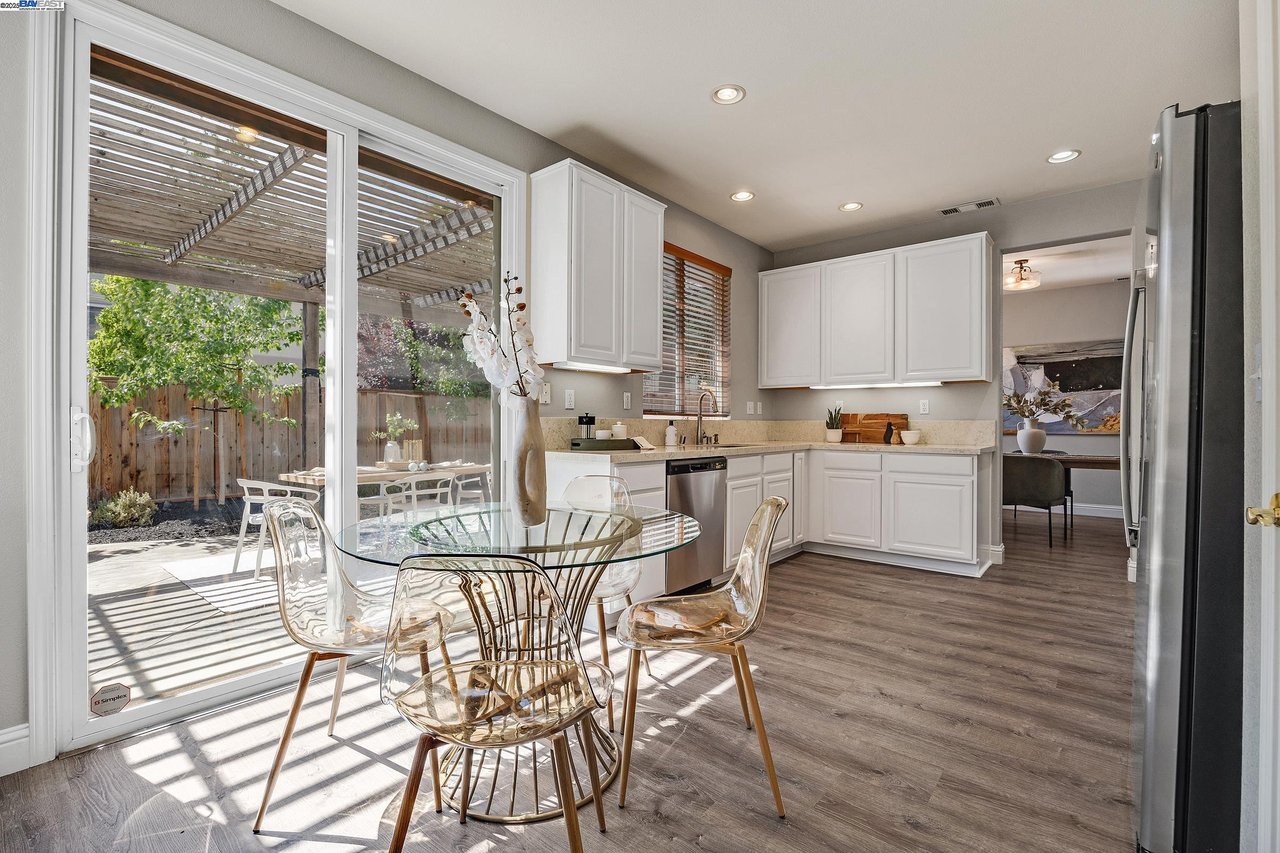
What Is My House Worth Today?
Gina Piper February 10, 2026
Gina Piper February 10, 2026
If you are thinking about selling, you are probably wondering something that feels straightforward but matters a lot: How much could my home realistically sell for right now?
Home value is influenced by recent sales of similar homes, how many buyers are actively looking in your area, how many homes are currently on the market, interest rates, and the overall condition and improvements in your property. At the end of the day, the number that matters most is what qualified buyers are willing to pay today.
Online valuations and older sale prices can be a useful place to begin, but the clearest price range usually comes from pairing current neighborhood data with the details that make your home unique. When you have that clarity, you can choose a price point with confidence, attract serious buyers, and negotiate from a stronger position.
Here are the main pieces that shape home value.
One of the strongest clues to your home’s value is what similar homes have sold for recently. These are called comparable sales, often shortened to comps. Buyers use comps constantly, and when they decide what to offer, they are typically weighing your home against recent nearby sales and the other homes they can buy right now.
The best comps tend to be close matches in areas like these:
Neighborhood or a very nearby area
Similar square footage and lot size
Similar bedroom and bathroom count
Similar condition and level of updates
Sold recently, ideally within the past 30 to 90 days
If a comparable home has a renovated kitchen and yours does not, or if your home has a view and the other one does not, the numbers should be adjusted to reflect those differences. That is why two homes that look similar on paper can sell for very different prices.
Buyers do not just shop by city name. They care about the smaller details, and even within the same zip code, values can shift from one street to the next based on the feel of the area and what is nearby.
Location elements that often impact value include:
School boundaries and school reputation
Commute routes and ease of access
Distance to parks, shopping, and restaurants
Noise level and nearby commercial activity
Views, privacy, and overall curb appeal
When buyers are especially eager to live in a specific neighborhood, competition rises, and stronger demand tends to lift prices.
Square footage matters, but how the home lives often matters even more. Many buyers focus on the daily function. They want a layout that makes sense, rooms that fit real furniture, good natural light, and storage that supports everyday life.
A practical flow, bright interiors, comfortable ceiling heights, usable bedroom and bathroom sizes, and an inviting connection to outdoor areas can all increase perceived value and help a home show well, especially in California markets.
Permits are also important. If your home includes additions, garage conversions, or enclosed patios, permitted space typically contributes more value than unpermitted space because it lowers risk for both buyers and lenders. Unpermitted areas may still be useful, but they are not always valued equally.
Condition is a major driver of value because it affects buyer confidence. Even buyers who plan to remodel often pay close attention to expensive systems and maintenance items. A home that feels well cared for can inspire stronger offers because it feels like a safer purchase.
Some of the biggest condition factors include:
Age and visible condition of the roof
Heating and cooling performance
Plumbing and electrical updates
Windows, insulation, and energy efficiency
Interior presentation, including floors, paint, and fixtures
A pre-sale inspection can be a smart move because it shows you what a buyer will likely learn anyway. That gives you options. You can repair items, disclose clearly, or price with intention instead of being surprised once you are already in escrow.
Not every upgrade adds value equally. Buyers often pay more for improvements they can enjoy immediately, especially if those upgrades reduce the work they need to do after moving in.
Updates that commonly support higher value include:
Kitchens or bathrooms that feel current
Fresh flooring and paint that make the home feel move-in ready
Energy improvements like efficient windows, insulation, or solar
Outdoor upgrades that expand usable living space
One detail that matters a lot is consistency. A partial update can sometimes feel less valuable than a cohesive refresh that looks intentional from room to room.
Your home’s value can change based on what is happening in the market right now. Inventory, buyer activity, interest rates, and seasonality all influence affordability and competition. When there are fewer similar homes for sale and more active buyers, prices often rise. When competition intensifies or affordability tightens, buyers may slow down and negotiate more aggressively.
This is why two nearly identical homes can sell for different prices even if only a few months have passed.
Once you understand what influences value, the next step is to turn that insight into a pricing strategy that supports your goals and aligns with current buyer behavior. A local real estate agent can prepare a CMA, which is a comparative market analysis that weighs your home’s condition, features, upgrades, layout, and location against real neighborhood data to recommend a realistic price range for today.
The goal is to attract the right buyers, create strong early interest, and protect your leverage during negotiations. A thoughtful pricing plan considers recent sales, current competition, and what buyers are responding to right now so you can list confidently and avoid pricing choices that can slow momentum.
What is the best way to figure out my home’s value right now?
The clearest approach is to compare your home to recent nearby sales that closely match your size, condition, and features, then adjust for meaningful differences. Current competition and local buyer behavior also play a big role, so an updated CMA and a walkthrough usually provide the most accurate picture.
Can I rely on online home value estimates?
They can help you get a general sense of the range, but they often miss key value details such as condition, update quality, layout, curb appeal, privacy, and views. They are usually better as a starting point than as a precise pricing tool.
Is it smart to list higher so I have room to negotiate?
In many markets, an inflated price can reduce showings and lead to price reductions later, which may weaken your negotiating position. A stronger strategy is often to price based on current buyer demand and the competition, so you generate serious interest early.
Do I need an appraisal before listing my home?
Most sellers do not need a formal appraisal to list. A strong CMA is typically enough. Appraisals can be helpful in certain situations, like unique homes or estate planning, but they are not required for most standard sales.
What if my home is unique and there are no strong comps?
In that case, pricing may involve expanding the search area, using older sales adjusted for today’s market, and placing more emphasis on features, land value, and buyer demand. Presentation and positioning often become even more important when the home does not fit the usual mold.
Understanding your home's value requires looking at the full picture: recent comparable sales, location, layout, condition, upgrades, lot usability, and the current market. When you consider all of those factors together, you can estimate value with much more confidence.
Gina Piper and her team at Elation Real Estate support buyers and sellers in Pleasanton, Livermore, Alamo, Walnut Creek, San Ramon, Dublin, Danville, Oakland, Berkeley, and Alameda with clear guidance and local insight from start to finish. If you are considering selling and want a pricing plan tailored to your home and neighborhood, contact Elation Real Estate to start the conversation and take your next step with confidence.
Stay up to date on the latest real estate trends.
Real Estate Trends
What's Shaping Our Current Market

Tri-Valley
A Guide to the Best Mountains and Hiking Trails Near Pleasanton

Livermore
Where to Eat in Downtown Livermore
Real Estate
What Sellers Should Know Before Renovating
Real Estate Trends
Everything you Need to Know About Today's Market

Pleasanton
Explore Pleasanton's Best Family Parks

Where to Shop for Back-to-School
Real Estate
What's Happening in the Tri-Valley Market

Tri-Valley
Best Avila Beach Attractions
Choosing a real estate agent is perhaps the most important decision in the process of buying or selling a home. I am confident that I provide an unsurpassed level of service and professionalism that comes from over 30-years as a full-time Realtor® and well over 2,000 successfully closed transactions.