
What Makes a Realtor Blog Visible?
Gina Piper March 2, 2026
Gina Piper March 2, 2026
Between showings, writing offers, managing timelines, answering messages, and keeping clients calm through big decisions, sitting down to write a blog can feel like it belongs at the bottom of the list. But blogging is still one of the best ways to be found online because it teaches both search engines and AI tools what you focus on, who you help, and which neighborhoods and cities you know inside and out.
Every time you publish a post, you create another doorway for people to discover you through Google searches. You also give AI platforms solid, specific information they can point to when someone asks about home prices, the right time to buy or sell, what different areas feel like, and which local professionals are truly trusted. When you keep showing up with useful content, your visibility grows and so does your credibility. That makes it much more likely that the right buyers and sellers will come across your name, feel comfortable with you, and reach out.
Headings are a simple tool that makes a big difference. They guide your readers through the post, and they also help Google and AI understand the main topic and the key takeaways. When your structure is clear, it is easier for AI systems to pull the best section to answer a question someone is asking.
A simple heading setup
H1: Use one H1 for your blog title.
H2: Use H2 for the main sections of your post.
H3: Use H3 for smaller points that support each section.
Before you hit publish
Keep it to one H1 on the page.
Use an H2 to introduce each major section in plain language.
If a paragraph starts to feel long, split it into smaller chunks.
When your content is organized, it reads better and it is more likely to be seen as reliable and easy to reference.
Your SEO title and meta description are like the headline and preview people see in search results. They influence whether someone clicks, and they also signal to AI tools what the post is about, so it can show up in the right moments.
What works well
Pick one primary keyword that clearly matches your topic.
Add one or two related secondary keywords.
Write a title that sounds natural and specific.
Write a meta description that tells people what they will get from the post.
Example keyword set
Primary keyword: common mistakes when buying a home in Pleasanton
Secondary keywords: Pleasanton homes for sale, Pleasanton real estate
SEO title:
Common Mistakes When Buying a Home in Pleasanton (and How to Avoid Them)
Meta description:
Avoid common mistakes when buying a home in Pleasanton, learn how to evaluate Pleasanton homes for sale, choose the right neighborhood, budget for costs, and make a competitive offer in today’s Pleasanton real estate market.
Internal links are one of the easiest ways to strengthen a blog. They help search engines understand how your site fits together, and they help readers stick around longer because they can keep learning without starting over somewhere else. AI tools also pay attention to these connections because they help show depth and expertise.
Two easy places to add links
Link to older blog posts that explain something in more detail.
Link to important pages like your services, neighborhood guides, listings, or contact page.
Keep these link habits in mind
Use anchor text that tells readers what they will find.
Only add links where they truly support the point you are making.
Go back to older posts and add links to newer ones when it fits.
Strong internal linking supports topical authority, which can help you show up more often in search and in AI answers.
Photos are not just decoration. When they are set up correctly, they can help with SEO, and geotagging adds a layer of local relevance that matters in real estate. Those local signals help search engines and AI connect your content to the areas you serve.
Ways to improve images for SEO and local relevance
Name your files with clear descriptions.
Geotag your photos by adding a location before uploading.
Write alt text that describes what the image shows.
Compress images to speed up page load.
Example file name
Pleasanton luxury home kitchen remodel tips.jpg
Example alt text
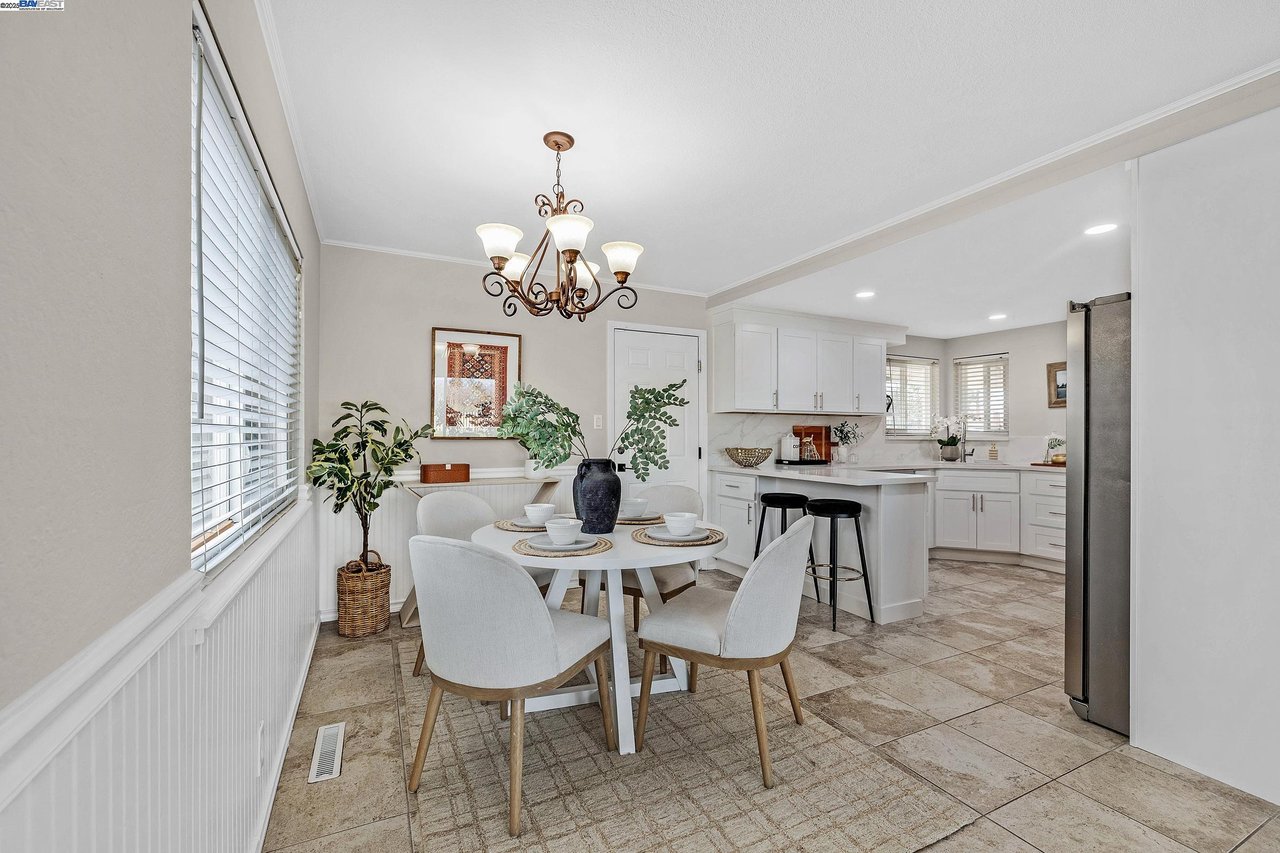
Bright kitchen in a Pleasanton luxury home with white cabinets and a large island
When your images include clear local context, your posts can feel more connected to location-based searches.
FAQs are powerful because they match how people ask questions in real life, especially inside AI tools. They can also help with SEO by increasing your chances of appearing in featured snippets and “People also ask” sections.
How to write better FAQs
Pull questions straight from client conversations.
Keep answers clear, direct, and practical.
Use keyword variations naturally, without forcing them.
Aim for three to six FAQs.
How is SEO different from AIO, and do I need both?
SEO helps your content rank in search engines. AIO helps your content get understood and surfaced by AI tools that answer questions directly.
What length works best for a blog post?
It depends on what you are covering. Your post should be long enough to answer the question clearly, but still easy to read. Being clear and useful matters more than hitting a specific word count.
How many keywords should I include in one post?
Focus on one primary keyword and a few related secondary keywords. Use them naturally in your title, headings, and throughout the post where they fit.
Are internal links actually worth the effort?
Yes. Internal links help search engines understand your site and guide readers to related information, which can build trust and keep people engaged longer.
How often should I publish blogs to get better visibility?
Consistency matters more than frequency. Posting helpful content regularly is one of the best ways to build authority over time.
If you are a realtor who wants more people to find you online, it is not about writing blogs just to post something. It is about creating content that is easy to read, easy to understand, and genuinely helpful. When you use clear headings, write a strong SEO title and meta description, connect your pages with internal links, optimize and geotag your images, and add a frequently asked questions section, your blog keeps working for you even on the days you are busy with showings, clients, and contracts.
These steps might feel small, but they add up. They help Google and AI platforms recognize your expertise and surface your content to the right people at the right time, which can lead to more trust, more conversations, and more opportunities.
Gina Piper and her team at Elation Real Estate focus on helping agents grow their businesses through education, collaboration, and practical tools they can use. If you are a realtor ready to improve your visibility and stand out in your market, call us or visit our website to learn more about opportunities with Elation Real Estate.
More Blogs You Might Find Interesting
Stay up to date on the latest real estate trends.

Real Estate
The psychology behind home buying

Real Estate Trends
What's Happening in the Market?

Pleasanton

Real Estate
What a Realtor Does

Top Danville Italian dining spots

Real Estate Trends
What's Happening in the Tri-Valley Markets
Avoid Costly Pre-Sale Mistakes
2026 edition
Real Estate
The True Price of Investing
Choosing a real estate agent is perhaps the most important decision in the process of buying or selling a home. I am confident that I provide an unsurpassed level of service and professionalism that comes from over 30-years as a full-time Realtor® and well over 2,000 successfully closed transactions.